Cosmetic Dentistry
Teeth Whitening
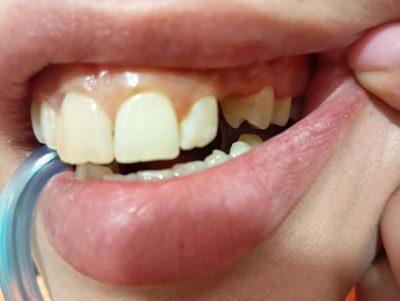
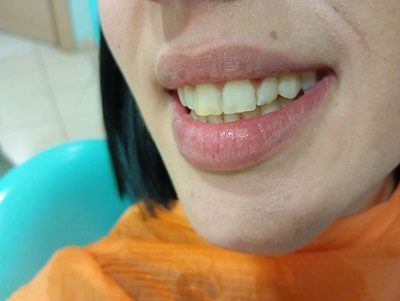
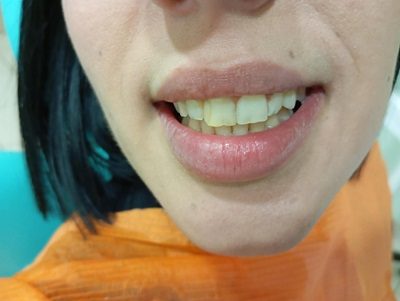
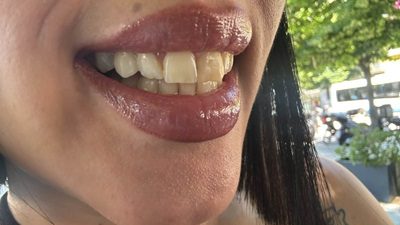
This is a quick and easy way to restore the colour of teeth that do not have crowns or fillings. A single visit is usually enough.
The tooth enamel is not damaged by the materials used.
It should be stressed, however, that teeth whitening is not carried out on anyone under the age of 18, because of the risk to the pulp (nerve) of the tooth.
My article in Epiloges Ioanninon magazine
Click on the image to enlarge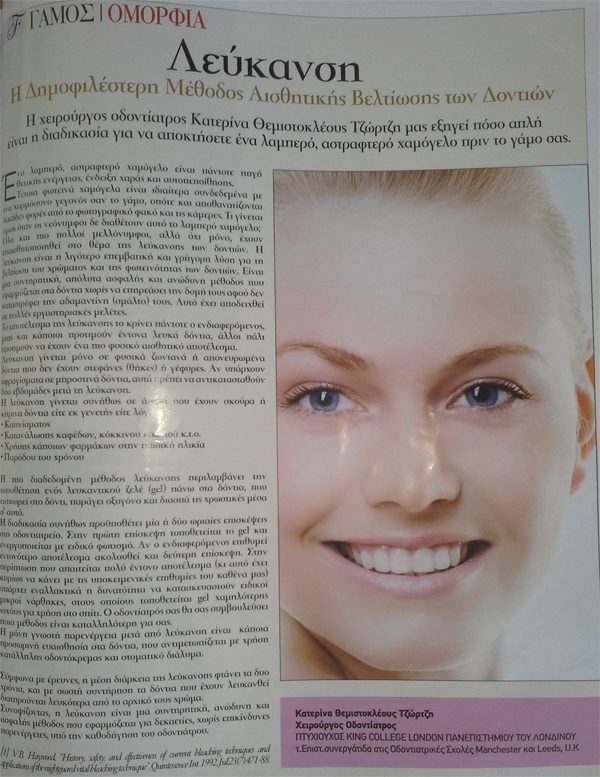
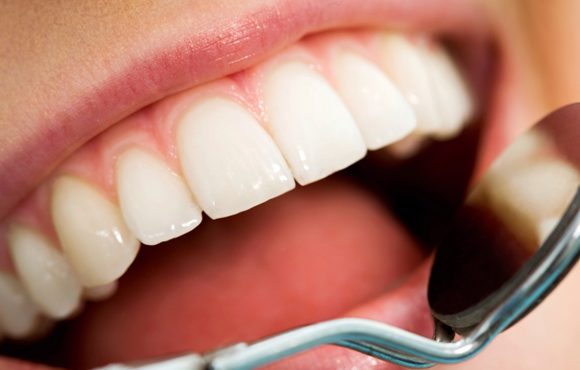
Teeth whitening is the technique that allows us to give our patients a whiter, healthier smile.
Modern dentistry has largely solved the functional problems of the teeth and jaw, and now goes one step further. It is no longer enough for teeth simply to function well; we can also make them look beautiful, giving patients an attractive, white smile.
There is no doubt that the smile is one of the features that gives a person charm and also lifts their spirits. There is no better way to communicate than with a warm, beautiful smile.
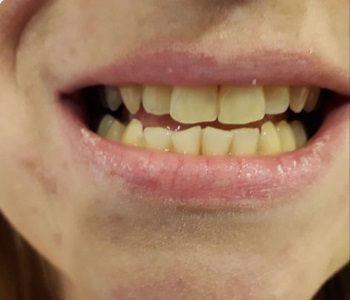
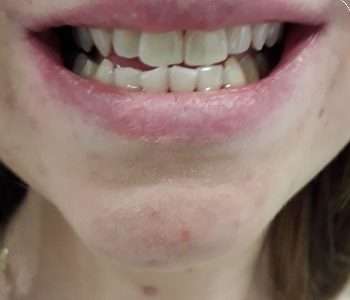
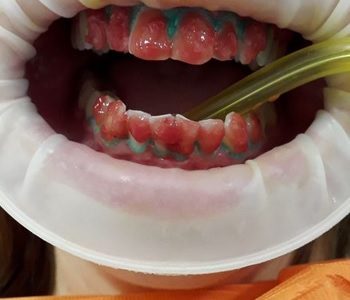
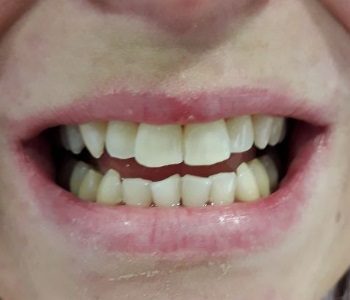
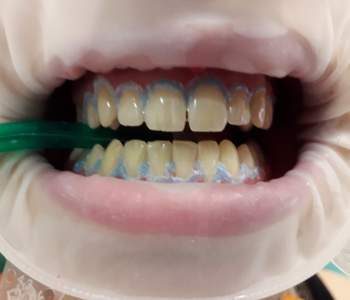
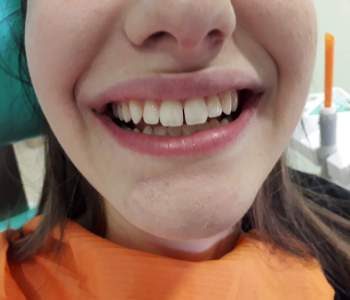
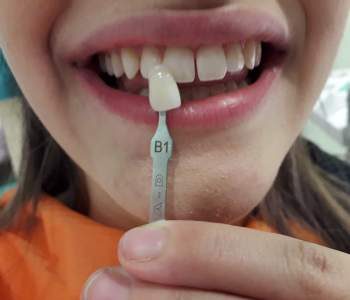
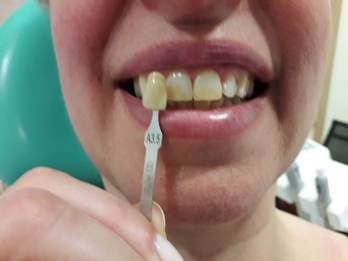
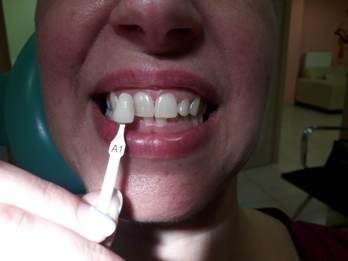
10 truths you should know before having your teeth whitened
1. Fluoride treatment is an essential step after every whitening procedure.
2. If we smoke heavily or drink large amounts of coffee, no method will give us long-lasting results.
3. The shade we need is the natural white we had when we were young, not "bleach white" shades. Prolonged whitening with trays dehydrates the teeth and gives them a chalky appearance, making the enamel excessively brittle.
4. If the patient has white fillings or prosthetic work (crowns) on their front teeth, these will not whiten.
5. Not everyone is a suitable candidate for whitening. The ideal candidate has no fractures, periodontal problems, cracks or multiple fillings. The teeth should also be straight, as only then will the result really show. If both colour and shape are a problem, we opt for veneers or bonding, correcting both issues at the same time.
6. Whitening toothpastes cannot give us a brilliant shade, but they can help maintain it after whitening. Your dentist's advice is to use only pharmacy-grade products.
7. If we only have surface staining from cigarettes and coffee, micro-abrasion (a special device that sprays bicarbonate of soda onto the teeth) is enough to get rid of those unsightly dark lines on our teeth.
8. Smokers make up a large group of the patients who choose whitening. If they choose the tray method, they should refrain from smoking for the duration of the treatment. If they choose laser whitening, they must refrain from smoking for 2–3 days afterwards.
9. Any form of teeth whitening should only be carried out on people over the age of 18.
10. Anyone who has had orthodontic treatment should wait one month after it ends before having their teeth whitened, as it has been shown that the roots of the teeth can be resorbed. Other patients do not face this risk.
11 tips on teeth whitening
1)Discuss in detail with your dentist the result you expect from the whitening procedure. Your dentist will gather all the information and propose a treatment plan.
2)Listen carefully to your dentist's instructions. If you have any questions, however silly they may seem, ask your dentist.
3)Whitening whitens your teeth. If you have fillings or prosthetic work in your mouth, such as crowns or bridges, these may need to be replaced after whitening so that their colour matches the new shade of your teeth. Anything that is not a natural tooth will not be whitened
4)How much your teeth can be whitened (how white they can become) is specific to your teeth. You cannot keep increasing the whiteness of your teeth.
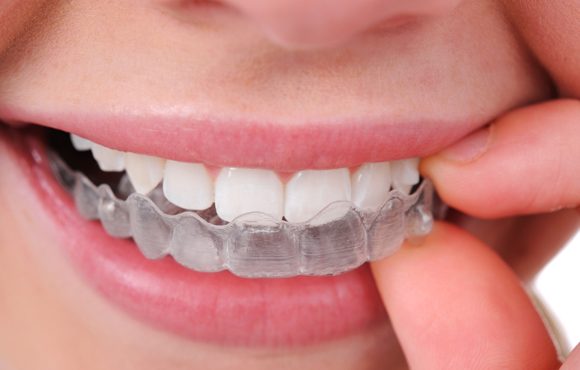
5)If you are using the at-home whitening technique with whitening trays, do not use more whitening gel than your dentist has recommended. More gel does not mean faster whitening or whiter teeth.
6) If you are using the at-home whitening technique with whitening trays, do not wear the trays for longer than your dentist has recommended.
7) If you are using the at-home whitening technique with whitening trays and you experience sensitivity (pain in your teeth or gums) during application, stop the treatment and inform your dentist. Only your dentist knows the structure of your teeth (in your mouth), how well the tray fits and the concentration of the material you are using, and can prevent any problems.
8) Always brush your teeth before and after applying the material. Also, clean the whitening trays with plenty of water and a separate toothbrush after each application.
9) Do not look at your teeth in the mirror every day while you are having them whitened. Your eye gets used to them and you may not see the real difference. Look at them after the treatment has finished to see the real difference.
10) Do not overdo it. If your teeth are already white and you simply want them one shade whiter, weigh up the cost against the result. Whitening is certainly safe for your teeth. However, that does not mean you should interfere with nature if there is no reason to.
11) Keep whitening products in the fridge. The application time of each material has been calculated according to its storage temperature and application temperature.
Inlays and Onlays
These are porcelain restorations that act as porcelain fillings.
Their advantages are that the tooth does not need to be reduced as it would for a crown, and they also last longer than a white composite filling, especially in teeth with old fillings close to the pulp of the tooth.
Composite Veneers (Componeer)
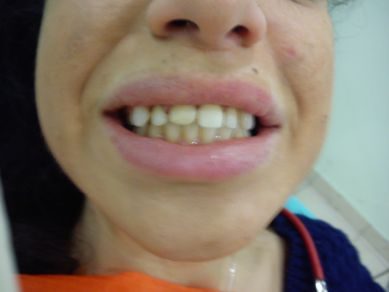
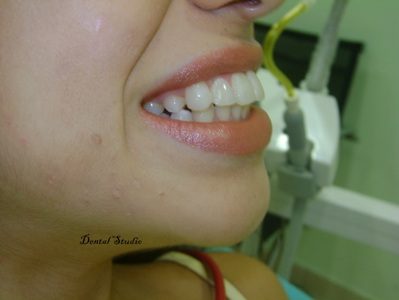
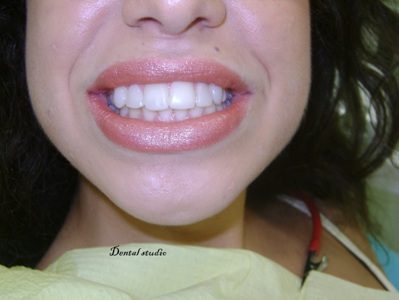
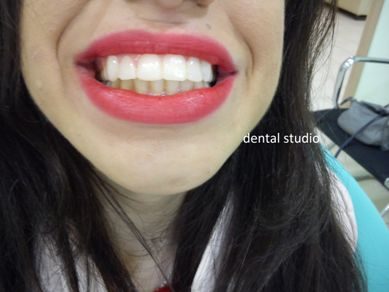
These are prefabricated composite veneers that cover the six front teeth of the upper and lower jaw and give you a beautiful smile in a single visit.
They can be used in cases of severe discolouration and to change the shape of a tooth.
They are also more affordable than porcelain veneers.
Clinical indications
• Treatment of tooth decay
• Improvement of old restorations
• Wear, attrition, erosion
• Tooth fracture
Aesthetic indications
• Discolouration
• Anatomical malformation
• Aesthetic correction
Advantages
• beautiful teeth in a single visit
• minimally invasive removal of healthy tooth structure
• less anxiety about treatment
• a customisable solution
• high-quality surfaces and incisal edges
• more affordable than indirect solutions
• high-quality dental restorations with excellent aesthetic results
• optimal customisation (choice of shade, shape and construction)
• high success rate and effectiveness
COMPONEER are polymerised, prefabricated enamel shells made of nano-hybrid composite resin, combining the advantages of direct composite restoration with those of prefabricated veneers. It is the first fully developed system that allows remarkably easy restoration of the front teeth with customised composite shells.
Pre-shaped COMPONEER veneers come in different sizes and are easy to use for restoring a single tooth as well as for complete restoration of the anterior region. Time-consuming shaping of the anatomical form and surface, and meticulous tooth preparation, are no longer necessary. With composite resin, COMPONEER can be adapted at any time to the needs of each patient.
 |
 |
 |
 |
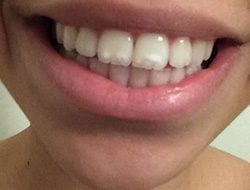
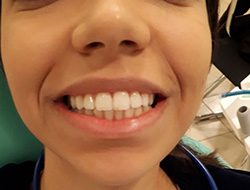
Porcelain Veneers
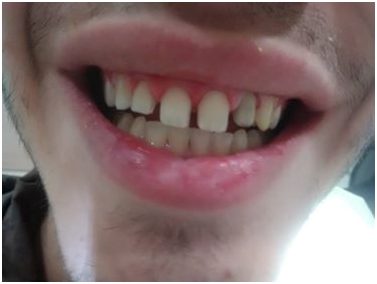
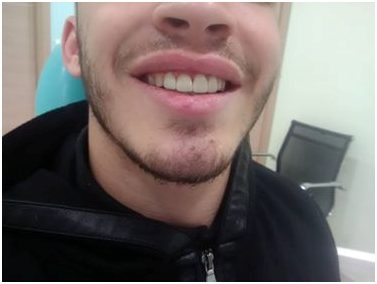
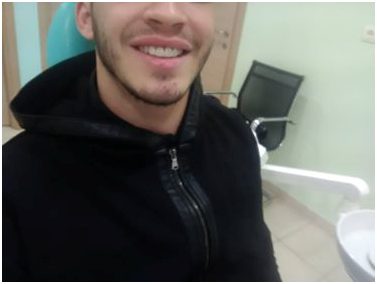
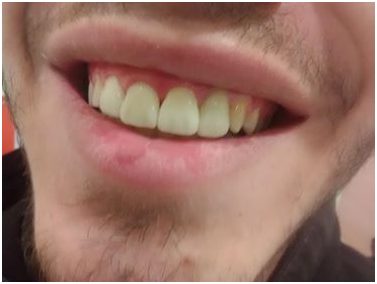
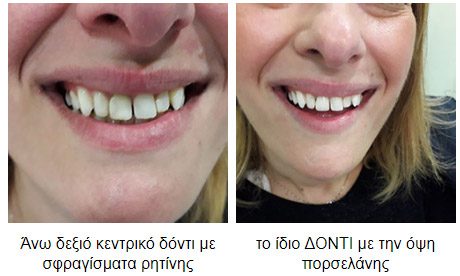
These are used for a complete transformation of the patient's smile and are made by the dental technician.
They clearly give a better aesthetic result, but they require more tooth preparation and more time in the dental chair than Componeers.
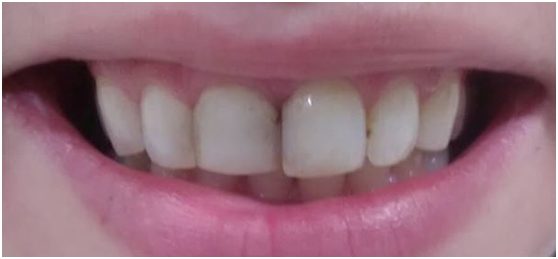
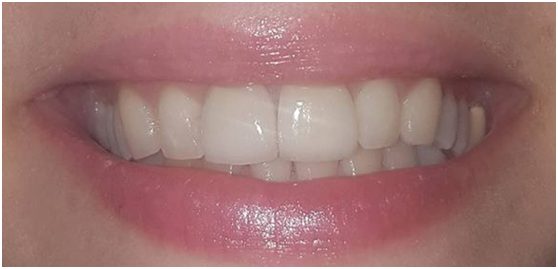
Zirconia Bridge
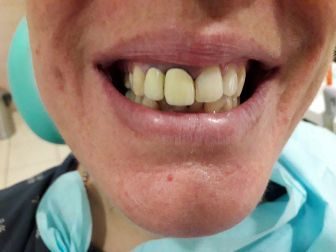
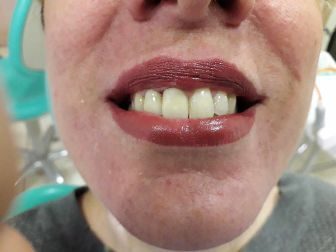
This bridge is ivory in colour and looks just like natural teeth.
It is more expensive than a porcelain bridge or a metal-core bridge, but it looks better and is superior above all in terms of aesthetics.
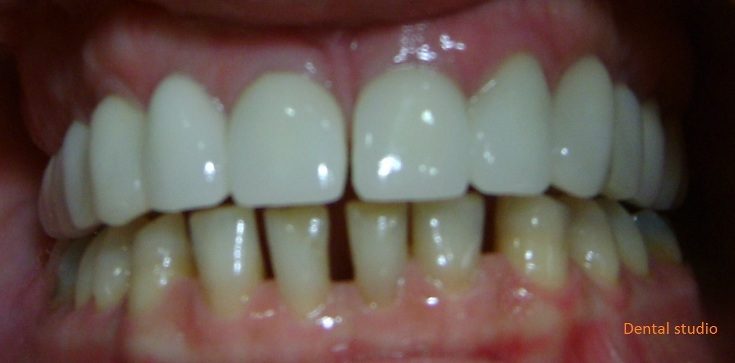
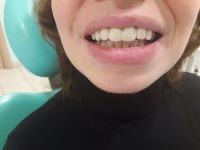
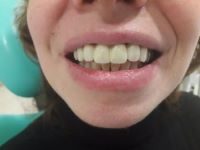
Before the zirconia bridge
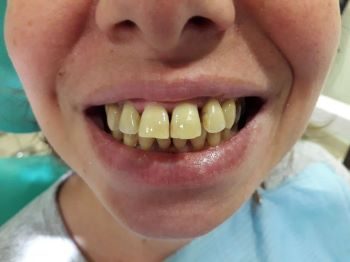
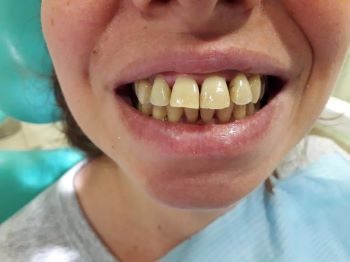
After placement of the zirconia bridge
Before the zirconia bridge
After placement of the zirconia bridge
Maryland Bridges