
Advice
Brushing your teeth after eating
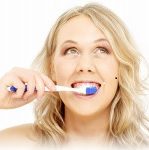 Is brushing your teeth after eating good for you?
Certain foods and drinks – especially those high in carbohydrates and sugars – encourage the growth of certain bacteria in your mouth, which attack your tooth enamel for at least twenty minutes after you have eaten a meal or enjoyed a snack. By brushing straight after eating, you get rid of the bacteria before they can attack your tooth enamel. For best results, you should use a fluoride toothpaste that helps prevent tooth decay and is suitable for reducing plaque and gingivitis.
You should be aware, however, that brushing your teeth after eating can sometimes affect your tooth enamel. If you have had something acidic, you should avoid brushing your teeth for at least 30 minutes. Foods containing citric acid, such as oranges, grapefruit and lemons, weaken tooth enamel. Brushing too soon after eating them can damage the weakened enamel.
It is therefore a good idea to brush your teeth before eating acidic foods and, once you have finished, to drink a glass of water to rinse away the acids. Alternatively, instead of waiting to brush your teeth, try eating nutritious foods that are low in carbohydrates and sugar after eating acidic foods. This will help reduce the harmful acids produced by these kinds of food.
In addition, according to the American Dental Association, prolonged exposure to phosphoric acid, which is found in soft drinks such as fizzy drinks, can erode the hard tissue on the surface of the teeth. Acid erosion causes permanent damage to your teeth. To keep erosion to a minimum, limit snacking between meals and avoid fizzy drinks and sweets.
Oral health for children
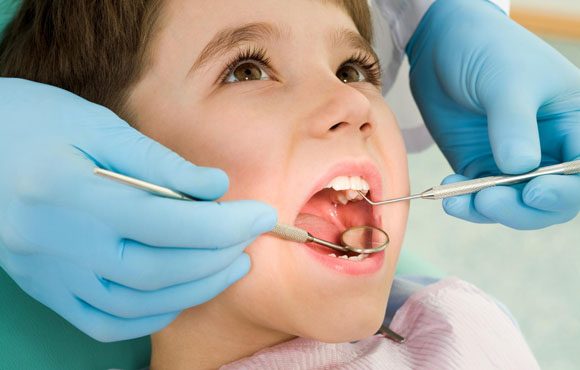
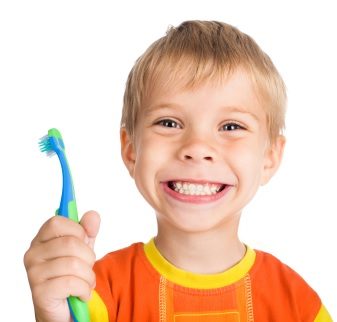 Did you know that tooth decay affects children in the United States more than any other chronic infectious disease? When tooth decay is not treated by a dentist, it causes pain and infections that can lead to problems with eating, speaking, playing and learning.
The good news is that tooth decay and other oral diseases that can affect children are preventable. The combination of dental sealants and fluoride has the potential to almost eliminate tooth decay in school-age children.
What parents can do to ensure good oral health for their children:
• Encourage your children to eat regular, nutritious meals and to avoid frequent snacking between meals.
• Protect your child's teeth with fluoride.
• Use a fluoride toothpaste. If your child is under 7 years old, put only a small, pea-sized amount of toothpaste on their toothbrush.
• If your drinking water does not contain fluoride, talk to a dentist about the best way to protect your child's teeth.
• Talk to your child's dentist about dental sealants, which can protect teeth from decay.
• If you are pregnant, you need antenatal care and a healthy diet. Your diet should include folic acid to prevent birth defects of the brain and spinal cord and, possibly, cleft palate.
Oral health for every stage of life
Maintaining good oral health is important throughout your life, from childhood to old age. The decisions you make now about how you care for your teeth and gums will affect you for the rest of your life. That is why it is best to start early!
Whether you are a new parent, a child, a teenager or an adult, on this page we will offer you articles and advice on how to make sure your smile lasts a lifetime.
Healthy Habits
• Brush your teeth at least twice a day
• Floss your teeth at least once a day
• Have regular preventive dental check-ups, at least every 6 months
• Eat a balanced diet low in sugar
Once you have developed good oral hygiene habits, you should keep them up throughout your life.